For parents of children with allergies, a trip to the playground can feel like navigating a minefield. The joyful shouts and carefree laughter that typically define these spaces are often accompanied by hidden triggers that can turn an afternoon of fun into a distressing experience. From pollen-covered slides to insect-friendly equipment, the very elements that make playgrounds enjoyable for most children can pose significant risks for those with sensitivities. Understanding how to select appropriate playground equipment and environments is not merely a matter of convenience—it becomes an essential component of ensuring both safety and enjoyment for allergy-prone children.
The first consideration lies in recognizing that allergies extend beyond seasonal sniffles. Children may experience reactions to insect stings, plant contact, mold exposure, or even materials used in playground construction. These reactions can range from mild discomfort to life-threatening anaphylaxis, making informed equipment choices critically important. Modern playground design has begun acknowledging these concerns, though awareness remains inconsistent across communities and manufacturers.
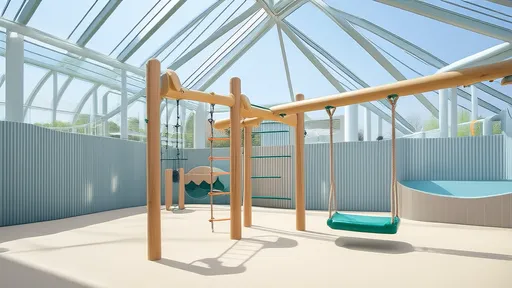
When evaluating playground equipment, the material composition demands careful attention. Traditional wooden structures, while aesthetically pleasing, can harbor mold and mildew in damp conditions while also attracting bees and wasps that nest in crevices. Treated wood may contain chemicals that cause contact dermatitis in sensitive children. Metal equipment presents different challenges, becoming dangerously hot in direct sunlight and potentially causing thermal reactions in children with heat-sensitive skin conditions. The smoothest option often proves to be high-quality plastic or composite materials, which resist moisture accumulation, don't provide nesting opportunities for insects, and remain relatively temperature neutral.
Beyond the equipment itself, the surrounding environment plays an equally crucial role. Playgrounds situated near flowering plants, community gardens, or heavily wooded areas may expose children to higher pollen concentrations. Those located in low-lying areas or with poor drainage can develop mold issues after rainfall. Ideally, allergy-friendly playgrounds should feature well-drained surfaces, be situated away from high-pollen vegetation, and incorporate regularly maintained landscaping that minimizes allergen accumulation.
The ground surface material represents another critical factor. Traditional wood chips or mulch can harbor mold spores and create dust that irritates respiratory allergies. Sand pits, while popular, can collect pollen, animal dander, and other airborne allergens while also attracting insects. Poured rubber surfaces or rubber tile systems generally provide the most hypoallergenic option, as they don't produce dust, resist moisture accumulation, and are less likely to attract allergen-carrying insects. These surfaces also offer superior cushioning for falls, addressing safety concerns beyond allergic reactions.
Water features present particular challenges for allergy-sensitive children. Standing water in splash pads or retention areas can encourage mosquito breeding, while fountains may generate mist that carries airborne allergens. If water play is important, recirculating systems with proper filtration and regular maintenance reduce these risks. Better yet, opt for playgrounds where water features can be turned off when not in use, preventing stagnant water accumulation.
Shaded areas require special consideration as well. Dense tree coverage, while providing protection from sun exposure, may increase exposure to tree pollen and mold spores. Solid shade structures with roofs but open sides often provide better protection from both sun and allergens. These structures should have smooth, non-porous surfaces that can be easily cleaned to remove accumulated pollen or dust.
The timing of playground visits also influences allergen exposure. Pollen counts typically peak during early morning and late afternoon hours, while midday often sees lower concentrations. After rainfall can be an excellent time for playground visits, as the water clears pollen from the air, though care should be taken regarding mold growth in damp conditions. Dry, windy days generally present the worst conditions for pollen-sensitive children.
Maintenance practices significantly impact a playground's allergy safety. Regular cleaning of equipment surfaces, proper drainage management, and prompt removal of litter or food debris that attracts insects all contribute to reducing allergen exposure. Well-maintained playgrounds typically have clearly visible policies regarding pest control, cleaning schedules, and surface maintenance—information that parents of allergic children should seek out before visiting.
For children with severe allergies, preparation remains key even in well-chosen playground environments. Carrying emergency medication, such as antihistamines or epinephrine auto-injectors, provides essential protection against unexpected exposures. Many parents find it helpful to wipe down equipment with hypoallergenic wipes before use, particularly for children with contact allergies. Dressing children in long sleeves and pants can provide protection against insect stings and plant contact, though parents must balance this with temperature considerations.
Emerging technologies offer new possibilities for allergy management in playground settings. Some manufacturers now incorporate antimicrobial additives into plastic compounds, reducing mold and bacterial growth. Solar-powered air purifiers installed in playground shelters can help reduce local pollen concentrations. Mobile applications that track real-time pollen counts and weather conditions help parents plan optimal playground visits. While not yet widespread, these innovations point toward a future where playgrounds can be designed with allergy prevention as a fundamental consideration rather than an afterthought.
Community advocacy plays a vital role in improving playground safety for allergic children. Parents can work with local parks departments to implement allergy-aware maintenance practices, select appropriate equipment during renovations, and create designated low-allergen play areas. Sharing information about particularly allergy-friendly playgrounds through parent networks helps create community resources that benefit all families dealing with similar challenges.
Ultimately, creating safe playground experiences for allergic children requires a multifaceted approach that considers equipment materials, environmental factors, maintenance practices, and personal preparedness. While no playground can be completely allergen-free, informed choices significantly reduce risks while preserving the joy and developmental benefits of play. Through careful selection of venues, timing of visits, and appropriate precautions, parents can help their allergic children experience the simple pleasure of playground fun with greater confidence and security.
The conversation around allergy-friendly playgrounds continues to evolve as awareness grows and new materials and technologies emerge. What begins as a concern for individual families gradually becomes incorporated into broader discussions about inclusive playground design that accommodates children with various health considerations. This progression represents not just improved safety for allergic children, but another step toward creating play spaces that truly welcome all children, regardless of their physical needs or limitations.

By /Aug 26, 2025

By /Aug 26, 2025

By /Aug 26, 2025

By /Aug 26, 2025

By /Aug 26, 2025

By /Aug 26, 2025

By /Aug 26, 2025
By /Aug 26, 2025

By /Aug 26, 2025

By /Aug 26, 2025

By /Aug 26, 2025

By /Aug 26, 2025

By /Aug 26, 2025

By /Aug 26, 2025
By /Aug 26, 2025

By /Aug 26, 2025

By /Aug 26, 2025

By /Aug 26, 2025

By /Aug 26, 2025

By /Aug 26, 2025
