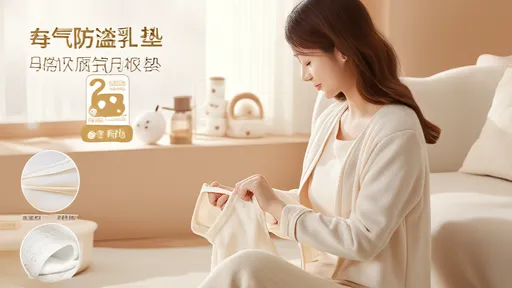
For new mothers navigating the beautiful yet demanding journey of breastfeeding, few things are as practically essential and simultaneously frustrating as dealing with leaking milk. It’s a natural, common part of the postpartum experience, but it can lead to discomfort, skin irritation, and a constant feeling of dampness that no one enjoys. This is where the humble nursing pad, or breast pad, becomes a daily necessity. However, not all pads are created equal. While their primary function is to absorb moisture, one critical factor often overlooked in the selection process is breathability. The choice of a highly breathable pad is not merely a matter of minor comfort; it is a significant decision that impacts a mother’s physical well-being and overall breastfeeding experience.
The physiology of the breast during lactation makes it particularly vulnerable to environmental factors. Engorgement, the constant cycle of milk production and let-down, and the general sensitivity of nipple tissue create a perfect storm for potential skin issues. When a non-breathable pad is used, it essentially creates a warm, moist, sealed environment against the skin. This is the ideal breeding ground for bacteria and yeast. Prolonged moisture against the skin can lead to a host of problems, the most common being sore, cracked nipples. These small fissures are not only painful but can also serve as entry points for infection, leading to mastitis—a painful inflammation of breast tissue that often involves infection and can cause flu-like symptoms. Furthermore, the damp environment can promote nipple thrush, a fungal infection caused by Candida albicans, which results in burning, itching, and sharp, shooting pains deep within the breast during and after feeds.
So, what exactly makes a nursing pad breathable? Breathability refers to the pad’s ability to allow air to circulate through its material while still effectively containing moisture. It’s a delicate balance between absorption and ventilation. The key lies in the materials used and the overall design. High-quality breathable pads often utilize advanced fabrics like ultra-soft, aerated cotton, bamboo viscose, or other moisture-wicking technical textiles. These materials are structured to pull moisture away from the skin and into the core of the pad, where it is locked in, while the surface layer remains relatively dry and continues to allow air to pass through. The construction of the pad also plays a role; some feature a quilted pattern or a layered design that enhances airflow channels within the pad itself, preventing a complete seal against the skin.
When shopping for the right pad, mothers should become savvy label readers. The terms "breathable," "air-permeable," or "moisture-wicking" are strong indicators. However, it’s also beneficial to understand the materials. Organic cotton and bamboo are celebrated for their natural breathability and softness. They are gentle on sensitive skin and highly effective at managing moisture. Some disposable pads incorporate breathable back-sheets, often a soft, non-woven fabric with microscopic pores, instead of a completely plastic or waterproof backing. This design is crucial as it allows perspiration and heat to escape from the body, reducing the sauna effect that cheaper pads can create. For mothers leaning towards reusable options, the fabric blend is paramount; a combination of organic cotton, bamboo, and Zorb™ (a highly absorbent technical fabric) is often a winning combination for maximum breathability and absorption.
The debate between disposable and reusable pads is a personal one, but both can offer excellent breathability if chosen wisely. High-end disposable pads have come a long way; many now feature contoured shapes, adhesive strips to keep them in place, and, most importantly, those breathable back-sheets. They offer unparalleled convenience, especially for travel or nights when laundry is the last thing on a mother’s mind. On the other hand, reusable pads, typically made from natural fibers like cotton, bamboo, or hemp, are often the champions of breathability. These fabrics are inherently airy and soft. While they require washing, they are cost-effective in the long run, environmentally friendly, and free from the chemicals and bleaching agents sometimes found in disposables, which can further irritate sensitive skin. The choice ultimately depends on a mother’s lifestyle, values, and how her body reacts to different materials.
Beyond the pad itself, proper usage is vital to maintaining breast health. Even the most breathable pad cannot perform its duty if it is saturated. It is imperative to change pads frequently—whenever they feel damp or after every feeding. This regular change ensures that moisture is never held against the skin for prolonged periods. It’s also an excellent opportunity to allow the breasts some coveted "air time." Whenever possible, especially at home, mothers should let their breasts breathe freely without any covering. This natural air-drying is one of the simplest and most effective ways to promote healing for sore nipples and prevent moisture-related issues. After showering, gently patting the breasts and nipples dry before putting on a fresh bra and pad is another good habit.
Selecting a nursing pad might seem like a minor detail in the grand scheme of motherhood, but its impact is profound. By prioritizing breathability, a mother is making an active choice to protect her physical comfort and health. She is investing in a product that will help her avoid the pain and complications of infections, allowing her to focus her energy on the bonding experience with her newborn. It’s about embracing a solution that works in harmony with her body’s needs during this special time. The right breathable pad is more than just an accessory; it is a tool for empowerment, comfort, and confidence, enabling a smoother and more enjoyable breastfeeding journey.

By /Aug 26, 2025

By /Aug 26, 2025
By /Aug 26, 2025
By /Aug 26, 2025

By /Aug 26, 2025

By /Aug 26, 2025

By /Aug 26, 2025

By /Aug 26, 2025

By /Aug 26, 2025
By /Aug 26, 2025

By /Aug 26, 2025
By /Aug 26, 2025
By /Aug 26, 2025

By /Aug 26, 2025
By /Aug 26, 2025

By /Aug 26, 2025
By /Aug 26, 2025

By /Aug 26, 2025
By /Aug 26, 2025

By /Aug 26, 2025
